
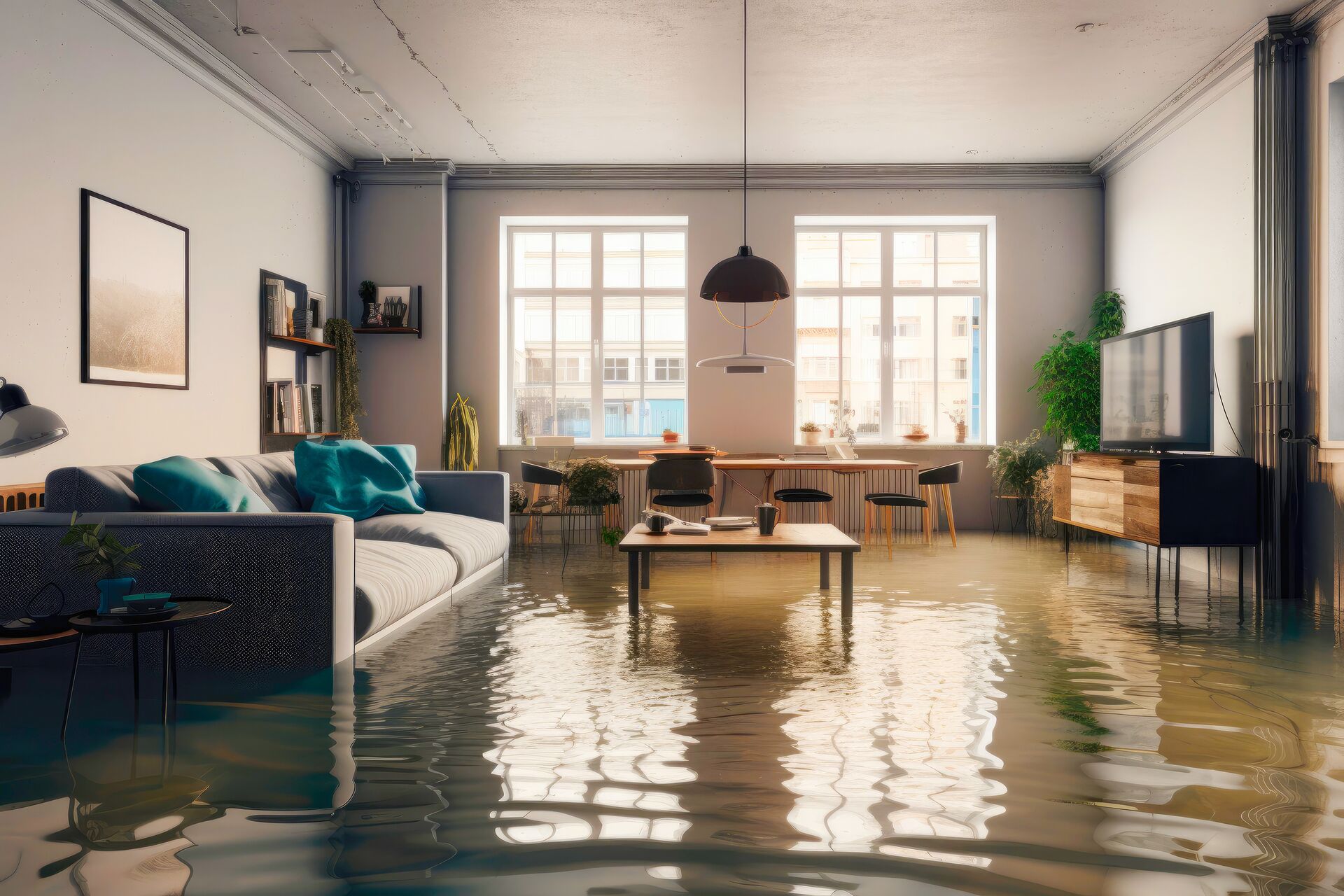
The Difference Between Water Mitigation & Water Restoration
Water damage can happen when you least expect it, whether it’s due to a burst pipe, an appliance leak, or a severe storm. In any case, the damage can be catastrophic and it can be both costly and time consuming to fix. But in the unfortunate event that you’ve been hit with water damage at your home or business in Eastern Washington or Northern Idaho, it’s important to understand the right steps to take toward recovery. The good news is that you have Environment Control Restoration to turn to for both your water mitigation and water restoration needs.
Speaking of which, you might find yourself wondering: What’s the difference between water mitigation and water restoration? And why does it matter? We’ll explore those questions below and help you create a more informed plan of action in response to any water damage your property has suffered.
What Is Water Mitigation?
Water mitigation is the first—and most urgent—step when your property has suffered from water damage. Put simply, the primary goal of the mitigation process is to stop the damage from getting worse and stabilize the situation. So, what happens during the water mitigation process? The professionals you partner with will first identify and if possible, stop the source of the water. Then, they’ll begin to remove any standing water using specialized water extraction equipment. Once that’s done, they’ll get to work on drying the affected areas with industrial-grade fans and dehumidifiers. The goal at this stage is to eliminate moisture and prevent mold growth and any further damage.
What Is Water Restoration?
The water restoration process comes after water mitigation. After the affected space has been dried, the professionals you’ve chosen to work with can then focus on repairing and rebuilding the damage left behind. The goal of this step is to restore your property back to its previous condition or as close to it as possible. That means the process can include drywall replacements, the installation of new flooring, repainting, and repairing any structural elements.
Key Differences Between Water Mitigation & Restoration
So, there are clearly major differences between the water mitigation and restoration processes. Whereas mitigation is all about prevention and control, restoration is about repairing and rebuilding. Not only that, but with water mitigation, there has to be a lot more urgency. It’s a time-sensitive step in the water damage recovery process because how quickly it’s done will affect the extent of the damage and the timeline of the restoration work. And when it comes time to have that restoration work done, you’ll see that it can be more detailed and thought out because it’s not as time sensitive. The important thing, of course, is that these two steps work in conjunction with each other and are key to getting your home or business back to its best after a disaster.
Why Understanding the Difference Between Mitigation & Restoration Matters
Knowing the difference between water mitigation and water restoration will help you clearly define your plan of action after your property suffers from water damage. When you understand the ins and outs of both steps in the recovery process, it’s easy to see why mitigation has to come before restoration. Not only that, but having everything in order with mitigation and restoration will set clear expectations for the recovery process and help you navigate everything with more peace of mind.
Reach Out for Water Mitigation & Water Restoration Services Today
If you’re local to Eastern Washington or Northern Idaho and your home or business has suffered from water damage, Environment Control Restoration is here to help. We can handle both the water mitigation and water restoration work you need, so be sure to contact us today to get started with a quote.